

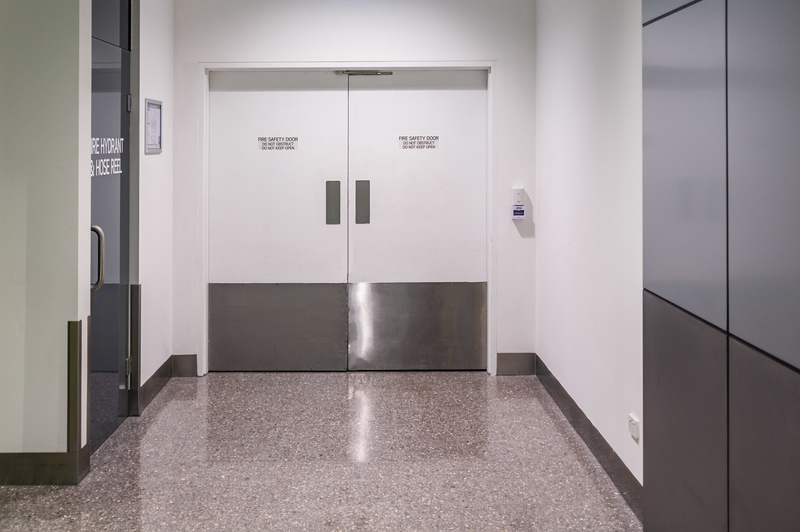
All you need to know about fire doors
Fire doors are specialist doors that are vigorously tested to make sure they can prevent the spread of a fire for as long as possible. Fire doors have very vital safety features that can mean the difference between life and death during a fire.
What is a fire door?
A fire door is a door that has been specifically built and fitted to provide an extra layer of safety during fires within commercial and residential buildings. The most common fire door is the FD30, which this is mainly used in flats or apartment blocks, these can tolerate flames and smoke for up to 30 minutes.
Do I need fire doors in my home?
If you are adding an extension to your home or refurbishing, its suggested that you use a fire door for any room that fire is most likely to start in, like the kitchen, others may be the living room if you have a fireplace. However, fire doors are worth considering in any situation as they give the additional peace of mind should the worst happen.
Here are some very shocking statistics:
- There were about 200,000 reported fires in Great Britain in 2013
- The major cause of death and non-fatal injury is smoke inhalation
- Computers were the most common cause of fires in offices (notably faulty leads and appliances)
Fire door benefits
Fire doors bring many benefits to property, the most significant one is that they stand between you and the blazing fire. Fire doors section off different parts of a building during a fire, this means that due to the heat-resistance, and strength of the doors themselves, a flame is contained to a certain area for a period of time. This is key when it comes to evacuation and emergency response. The more time you have before the fire grows out of control, the greater the chance of escaping the building safely. 60 minutes or even 20 minutes of fire resistance makes all the difference and that’s precisely what fire doors provide.
Key requirements of a fire safety door:
- Check for certification – A sticker should show the door is certified.
- Check for gaps – Use a £1 coin around the top and side of your door to ensure the gap is no larger than 4mm.
- Check the hinges – All hinges should be firmly fixed with a minimum of three attached to your fire safety door.
- Check the door closes properly – It should firmly close on its own with no obstructions.
Difference between fire doors and fire exits
A fire door is an internal door, that has a purpose to create an escape route in the case of a fire. These doors serve the purpose of stopping flames and smoke spreading from one section of the building to another. Examples of the locations that fire doors would be found include stairwells, they protect the stairs from the corridors opening on to them. Kitchens and catering facilities these would be found in storage areas within the location that hold combustible materials such as paper card and boiler rooms.
A fire exit door is an external door that can be left open and does not have to be fire resistant. The purpose of the fire exit door is to allow a quick and unhindered escape through a well-lit door exit. Fire exit doors can also be opened from the outside if for example a panic bar with a keylock override is fitted. Fire exits must never be blocked and must be obviously marked, and well-lit. Best practice dictates that fire exit signs are fitted above fire exits.
